Celebrating wildlife superheroes at Westonbirt this spring
You are here: Home > Cotswold Blog > Celebrating wildlife superheroes at Westonbirt this spring
Spring bursts forth providing boundless opportunities to immerse yourself in the wonders of nature. As the days grow warmer and longer, a symphony of life unfolds before our very eyes.
At Westonbirt, The National Arboretum, anticipation brims as they eagerly await the spectacle of flowers blooming and fresh leaves adorning the trees. Yet, witnessing the birth of a new generation of woodland animals is just as exciting. From the playful antics of young roe deer and rabbits frolicking in secluded corners to the melodies of nesting birds echoing through the treetops, every inch of Westonbirt teems with life and vitality. Did you know that a single majestic oak tree at Westonbirt is a bustling haven for over 2,000 different flora and fauna?
Embark on an exhilarating journey
This spring, Westonbirt invites you to embark on an exhilarating journey into the realm of wildlife superheroes. Join them as they unravel the extraordinary superpowers of the animals and insects that call the arboretum home. Get ready to be awed, inspired, and enchanted by the marvels of nature like never before!
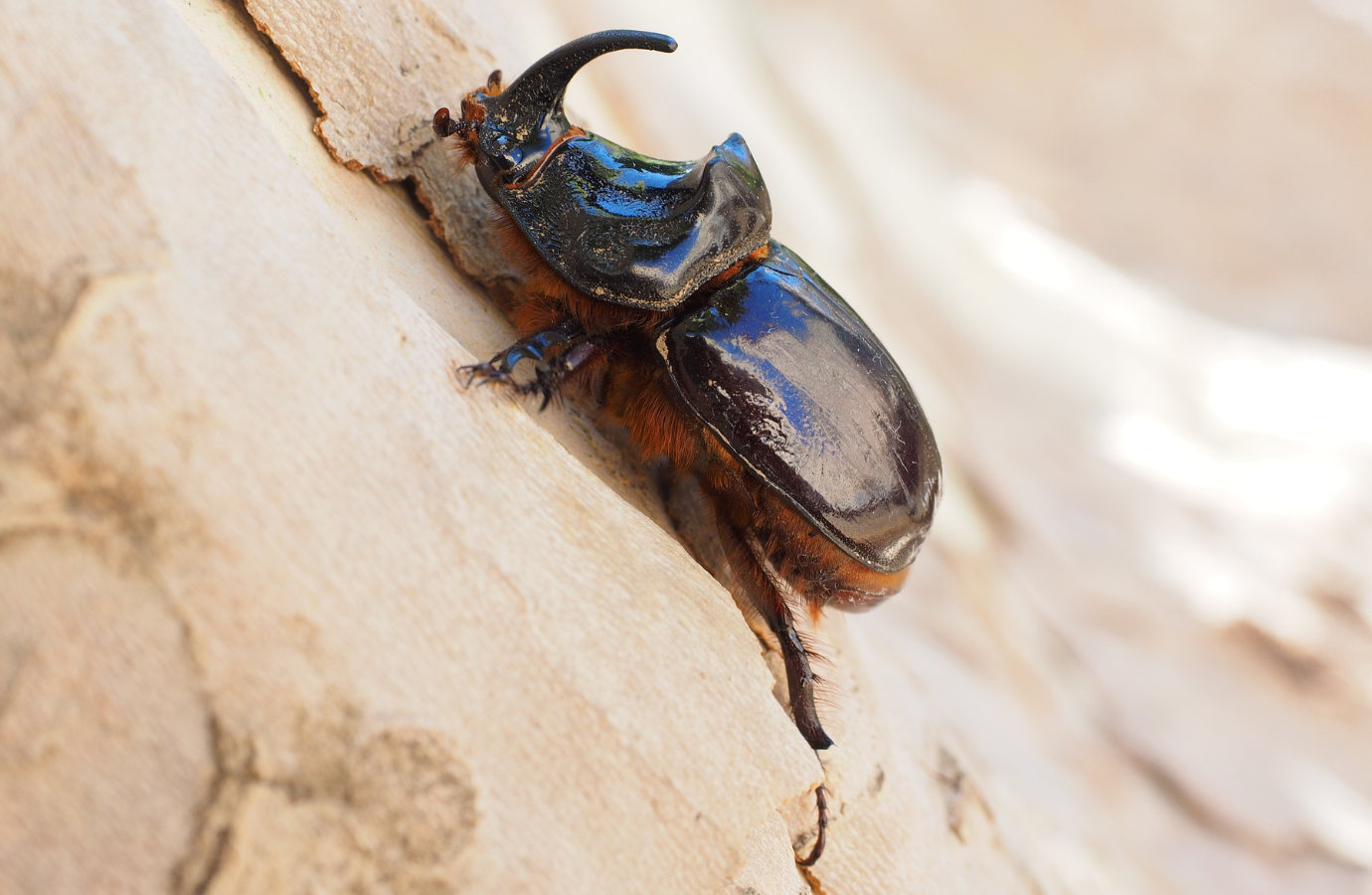
How about the composing superpower of birds? It is said that the song thrush can sing up to 100 different tunes. Consider the speed a squirrel can run and climb, scurrying down a tree at speed without falling. Rhinoceros beetles living in rotting logs in the arboretum have the strength to lift nearly 850 times their weight.
As custodians of a globally important collection of amazing trees, Westonbirt not only has a duty of care and responsibility to protect the trees, they also carefully manage the natural environment to promote a wide variety of biodiverse habitats that help a variety of flora and fauna wildlife species thrive.

Plan to sustain a vital haven at the arboretum
Although Westonbirt is a beautiful place, there are some key threats to its wildlife.
Ross Martin, Wildlife and Conservation Ranger at Westonbirt says:
"A major threat to wildlife that I'm concerned about here at Westonbirt Arboretum is invasive species such as Muntjac deer and grey squirrels, both of which are damaging to UK woodlands and the arboretum as they have no natural predators and feed on trees and vegetation. In line with standard woodland management practices, this does mean that our team need to control certain pest mammals. Pests and diseases, such as Chalara ash dieback, are also invasive species and, sadly, when trees need to be removed this can eliminate whole ecosystems. On a brighter note, we will always plant another tree to replace those we remove, fighting to preserve our wildlife."
An increasing threat that Westonbirt faces to its wildlife and trees is the climate crisis, causing changes with the flora and fauna. Some trees are flowering in winter, which means the pollinators don't have access in spring and the team have noticed that animals are behaving out of step with the seasons. For example, Westonbirt's team were surprised to see pregnant squirrels in December 2023.
A further threat to wildlife can be dogs. Westonbirt has a huge amount of responsible dog owners who visit daily and keeping dogs under control shows a duty of care to the resident wildlife and other dogs. This is particularly important during spring when a higher number of vulnerable newborn and younger wildlife is moving within the arboretum.
Controlling certain wildlife to protect against the threats of nature is part of a bigger plan to sustain a vital haven at the arboretum, which brings conservation, biodiversity and protecting the future of trees and nature's wildlife superheroes together.
In the words of Theodore Roosevelt:
"The wildlife and its habitat cannot speak, so we must and we will."
Find out more
Find out more: Forestryengland.uk/westonbirt/wildlife
About Westonbirt
Westonbirt, The National Arboretum is managed by Forestry England and is renowned worldwide for its tree and shrub collection. Home to five national collections, the arboretum covers 243 hectares (600 acres) and contains nearly 15,000 labelled specimens. Visitor numbers are 500,000 a year, with a membership of over 32,000. Westonbirt Arboretum was established in the 1850s by wealthy landowner Robert Holford and later developed by his son George Holford. Unlike many arboretums, Westonbirt is laid out according to aesthetic appeal rather than scientific or geographical criteria. Visit https://www.forestryengland.uk/westonbirt
The Friends of Westonbirt Arboretum
The Friends of Westonbirt Arboretum charity was established in 1985 with the mission to connect people with trees at Westonbirt, The National Arboretum. Today, the charity has around 36,000 members and supporters, many of whom are volunteers at the arboretum; all helping to conserve the 600-acre site, and its 15,000 trees and shrubs. Working in partnership with Forestry England, the charity ensures the continued success of Westonbirt Arboretum; safeguarding it as a resource for future generations by engaging, informing, and increasing its supporters, as well as providing financial and practical support with the vision for Westonbirt Arboretum to become a world leader in trees, inspiring people through conservation, education and participation. Visit fowa.org.uk
Last updated: 12 April 2024 - Please note: This blog was first written over a year old and things may have changed since the blog was written.