Combe, Oxfordshire
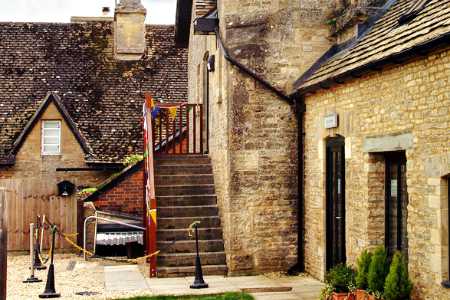
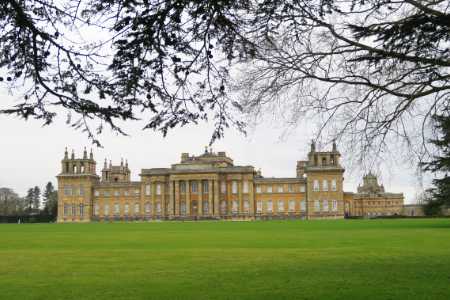
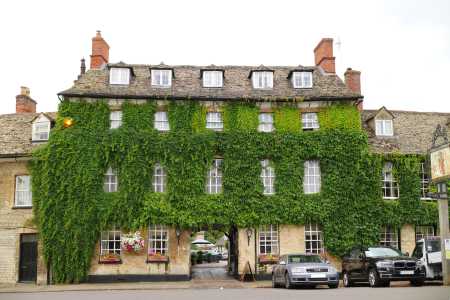
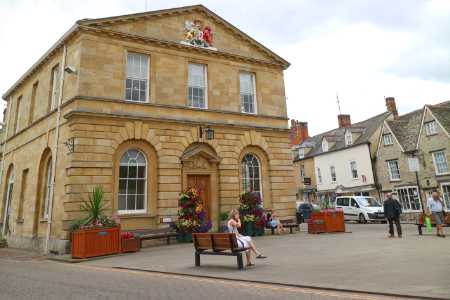
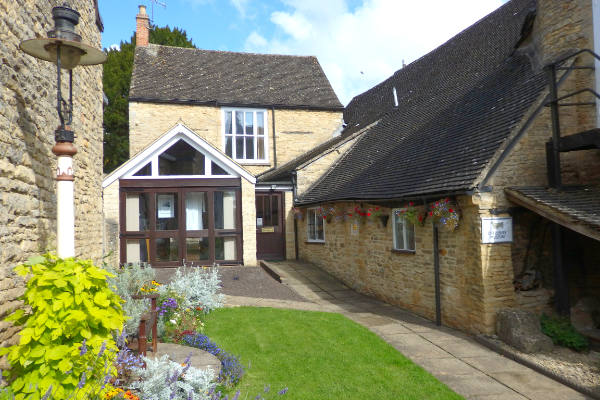
Nestled on the edge of the Cotswolds in West Oxfordshire, Combe is a picturesque village of honey-coloured stone cottages, rolling countryside and timeless rural charm. Surrounded by woodland and walking trails, and just a short drive from Woodstock and Blenheim Palace, Combe offers a peaceful escape with a traditional village atmosphere and easy access to some of the region's best-loved attractions.
A brief history of Combe
Combe's history stretches back at least to the Domesday Book of 1086, where it was recorded as a small settlement with a mill, woodland and agricultural land beside the River Evenlode. The village name comes from the Old English word *cumb*, meaning 'valley', reflecting its original location close to the river. Historians believe the earliest settlement stood lower down the valley near the present-day Combe Mill before gradually moving uphill to its current position, likely as farming practices changed during the medieval period. ([St Laurence's, Combe Longa][1])
At the heart of the village is the historic Church of St Laurence, parts of which date from the 12th century and were later rebuilt for Eynsham Abbey in the 14th century. The church is noted for its rare medieval wall paintings and remains one of Combe's most important heritage buildings. During the 19th century, the village became closely linked with the neighbouring Blenheim Estate, with Combe Mill serving as the estate's sawmill and workshop complex. The arrival of the railway through the Evenlode Valley in 1852 further connected the village to Oxfordshire's wider communities while helping preserve Combe as the peaceful rural settlement it remains today. ([Wikipedia][2])
[1]: https://www.combeparishchurch.org/a-brief-history-of-the-church/?utm_source=cotswolds.org "A brief history of the Church - St Laurence's, Combe Longa"
[2]: https://en.wikipedia.org/wiki/Combe%2C_Oxfordshire?utm_source=cotswolds.org "Combe, Oxfordshire"